How to create a simple emergency response plan for an ageing parent
An emergency plan for an ageing parent does not need to be bulky or complicated. It needs to be clear enough that the right people know what to do when a fall, sudden illness, power cut or severe weather makes ordinary routines difficult. The best plan is built around real daily habits: where your parent spends time, who they trust, what health information matters and how help can be called when they cannot reach a phone.
Start by deciding what counts as an emergency for your parent. A minor bruise may not need the same response as a fall, chest pain, confusion, breathing trouble or a missed medication routine that has caused concern. Write plain-language examples that match their situation. If they have a long-term condition, ask their GP or pharmacist what warning signs should lead to urgent help. Watch for vague phrasing such as "call if something bad happens", because it leaves too much to judge in a stressful moment.
1. List the people who will be contacted
Choose a small group of people your parent is comfortable being helped by. This might include family, a neighbour, a friend, or a named contact who lives nearby. Include emergency services as a separate line rather than treating them as a private contact. For each person, record a phone number and the order they should be called. If one person works long hours or travels, note who is the backup.
Ask permission before naming someone, and check that each person understands the role. Being on a list should not mean being expected to provide clinical care. The role may be to phone, stay with your parent, meet a caregiver, unlock a door or help gather information. Watch for a plan that depends on one person only. If that person is unavailable, the whole plan stalls.
2. Write down essential health and home details
Keep one short record with the information that would be useful in an urgent situation. This should include your parent's name, date of birth, current medicines, known allergies, long-term conditions, GP details and any mobility needs. If hearing, vision or speech difficulties affect communication, note how best to approach and speak to them. Do not include old medicine lists that could confuse someone at the wrong moment.

Add practical home details too. Note where spare keys are kept, which door is usually used, whether pets need to be secured, and where glasses, hearing aids, walking aids or a phone charger are normally kept. If there are stairs, loose rugs or a bathroom that is hard to access, write that down rather than assuming a visitor will notice. The aim is to reduce searching and guesswork.
3. Decide how your parent can call for help
A phone is useful only if your parent can reach it, see it, hear it and operate it at the time. Think about the places where a fall or sudden illness is most likely: getting out of bed, moving to the bathroom, entering or leaving the home, or resting in a chair. A plan that relies on a phone in the kitchen may not help if they cannot get there.
Wearable alert devices are one option to consider in a medical alarm NZ context. Familyr provides wearable medical alarms in New Zealand with SOS alerts, fall detection, GPS location checks and two-way calling without a monthly monitoring fee. Those features may be relevant when choosing how an older person signals for help, especially if they live alone or spend time away from the main phone.
When comparing options, look at the parts that affect daily use. Is the device comfortable enough to wear? Does the SOS control work in a way your parent understands? Is fall detection useful for their mobility, or will ordinary movement create confusion? Can they speak and hear clearly during a two-way call? GPS location checks may matter if they walk outside alone, while a home-based routine may place more value on simple calling. Familyr Medical Alarms is one name that may come up when exploring wearable alerts with these kinds of features.
4. Set out the first actions for common situations
Use short, direct instructions. For a fall, the first questions are usually whether your parent is conscious, whether they can move, and whether they are in pain. If they may have hit their head, cannot move, seem confused or are breathing oddly, urgent medical help is the priority. Do not make a plan that tells someone to move an injured person as a routine first step.
For sudden chest pain, severe breathing trouble, signs of a stroke or a rapid change in consciousness, call emergency services straight away. Do not spend time searching for a perfect medication list before calling. For a less urgent problem, such as feeling unwell but alert, the plan can say who to phone first and what information to gather. Watch for overlap between these situations. If the instructions contradict each other, people may hesitate.

Medication issues deserve a note of their own. Record what your parent usually takes and what should happen if a dose is missed or a new symptom appears after medicine changes. Keep this practical rather than medical. A family member should not adjust doses by guesswork. A pharmacist, GP or qualified clinician is the right person for medicine advice.
5. Choose where the plan will be kept
A plan is only useful if people can find it. Keep a printed copy somewhere obvious, such as on the fridge or near the phone, and give copies to the people on the contact list. If your parent uses a phone or tablet, a digital copy can also help, but avoid relying on a password only one person knows. Mark the copy with the date it was last reviewed.
Make the first page easy to scan. A large heading, clear contact numbers and short lines are better than dense paragraphs. If your parent has poor eyesight, check the print size. If they have memory changes, keep the wording familiar and place it where they already look for reminders. Watch for clutter. A plan buried among flyers and paperwork will not be read quickly.
6. Rehearse the plan calmly
Talk through the plan with your parent and the listed contacts before it is needed. A quiet conversation is enough. Ask what each person would do if your parent pressed an alert, phoned, or did not answer a scheduled call. This often reveals gaps, such as an out-of-date number, a contact who is unsure about keys, or a device left charging in another room.
Practice does not need to involve calling emergency services. A simple walk-through can confirm that everyone understands the order of calls, where the information is kept and when urgent help should be sought. Pay attention to how your parent feels about the plan. If they dislike being monitored or worry about false alarms, discuss those concerns openly. A plan that respects their preferences is more likely to be used.
7. Review it when routines change
Set a regular time to check the plan, and review it sooner after a hospital visit, a change in medication, a move to a new room or home, a change in phone number, or a change in who is available to help. Mobilities can shift gradually, so watch for signs that the old plan no longer fits. Examples include trouble getting dressed, avoiding the bathroom, missed calls, or reluctance to go outside alone.
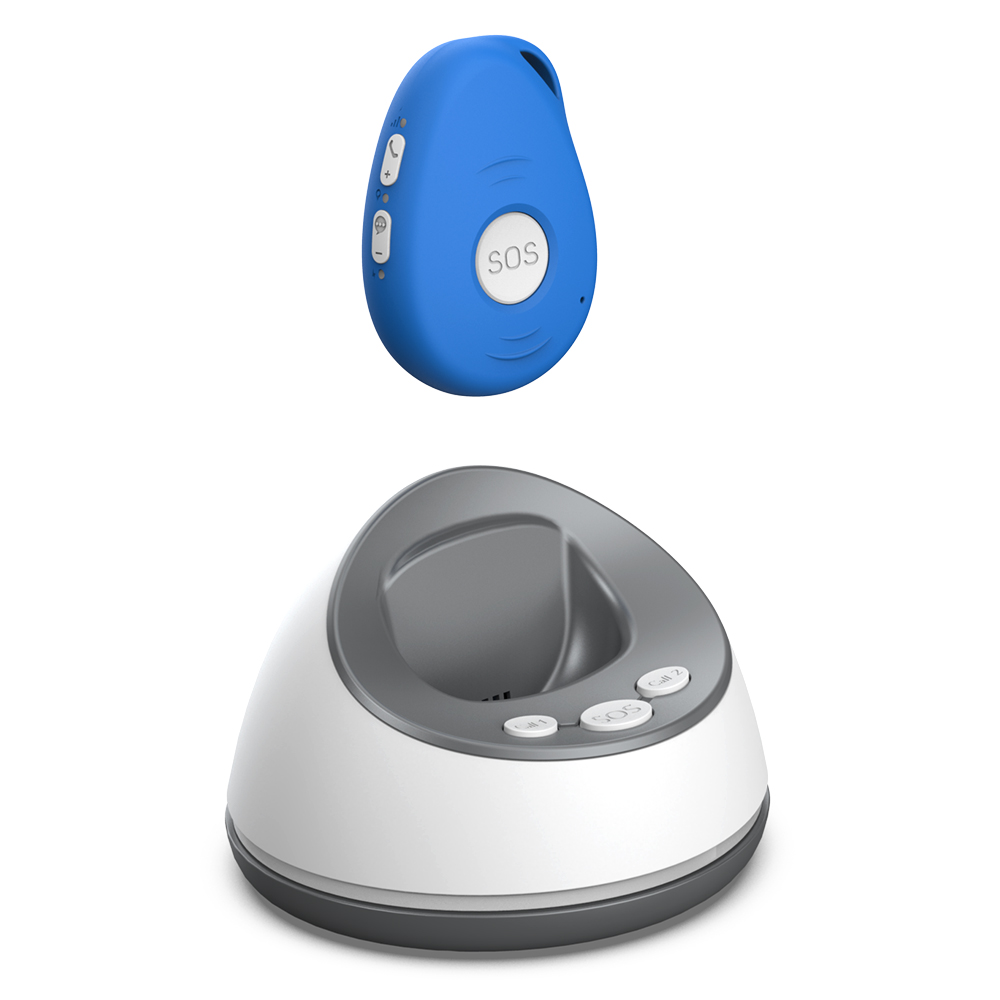
Remove details that are no longer true. Old contacts, outdated medicine lists and former devices can cause delay. If a wearable alert is part of the plan, make sure your parent knows where it is, how it is worn and what happens after an SOS alert or fall detection event. If the setup is confusing, simplify it rather than adding more layers.
A useful emergency plan is not a document that sits in a drawer. It is a shared understanding of what to do next. Keep it short, keep it visible, and keep it matched to your parent's actual life. That makes an urgent moment less chaotic and gives everyone involved a calmer path from concern to action.